Gem Guide
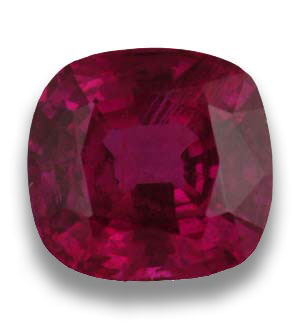 |
Ruby:Rubies range from light pink to blood red. The most valuable rubies are transparent, flawless and a vivid medium-dark red with purple, secondary hues. When nice rubies are set in high carat yellow gold they look incredible! Rubies are very hard, making them great for setting in jewellery and are a member of the corundum family of gemstones. Pink sapphires and pink rubies are colour variations of the same material. Most of the pink rubies/pink sapphires come from Sri Lanka whereas red rubies come mostly from Thailand or Burma. There have been issues in Burma of profit from gemstone mines funding bloody conflicts so we use Thai rubies in our jewellery. Check out the eyes of our super sweet Sparrow Collection! Facts, Myths & Legends: In Britain the ruby is the birthstone for July. The biggest ruby ever mined is the Liberty Bell Ruby. It weighs 1.8 kilos and is an incredible 8500 carats! It was stolen in 2011 though so it may well be in lots of small pieces by now… Place a ruby under your pillow and it is said to ward off nightmares! Presumably if you have very bad dreams you need to use a bigger, better ruby - perfect excuse for some new jewellery then! |
 |
Sapphire:Sapphire is basically the same material as ruby, it's just a different colour! Sapphire is the next hardest gemstone after a diamond (the synthetic version is used in armour plating and body armour). Australia produces inexpensive dark green and blue sapphires. The best blue sapphires often come from Sri Lanka and are a vivid, medium blue. The most valuable sapphires are a pink - orange colour, normally found in Sri Lanka, Vietnam, and East Africa - they're called Padparadsha Sapphires. Sapphires are used in our Personalised Jewellery, representing the intensity of colour on an Azure Blue Butterfly's wings. Facts, Myths & Legends: The sapphire is the traditional present to give your spouse on your 65th wedding anniversary and in Britain it is the birthstone for September. If you are bitten by a snake a sapphire ring could save your life as it is apparently a powerful antidote for poison. Probably a good idea to get yourself to a hospital just in case though... |
 |
Emerald:Emeralds are beautiful but delicate due to their many flaws. They are a member of the beryl family of gemstones and are always green, a colour which is given them by the element chromium. We use tiny emerald cabochons (smooth, unfaceted stones) in our Personalised Jewellery and in all of our Birthstone Jewellery. One of the finest examples of Emerald is set into The Hooker Emerald Brooch, it's a huge 75 carats and nearly flawless. The Hooker Brooch is also set with 13 carats of diamonds. Of course, we would be very happy to reproduce it for you, it would make a super impressive Valentines or Mothers Day gift... |
 |
Garnet:The name 'garnet' comes from the Latin for 'pomegranate' as garnet gemstones tend to look like the little red seeds of the tasty fruit! Garnets can be found in Africa, Southeast Asia, North America, Thailand, India. Ranging in price from a few pence to hundreds of pounds. The colours of garnet span the rainbow, from red to purple, from light to dark green. Other members of the family include almandine (purplish red), rhodolite (pinkish to purplish red), tsavorite (bright green), demantoid (yellowish green), hessonite (brownish yellow). This little handsome Hare Necklace wears a deep red garnet round his neck and these two Little Sparrows are carrying a gorgeous garnet heart! Facts, Myths & Legends: Garnet is the birthstone for January. It inspires love and stimulates blood-flow, or so it is believed. It is supposed to aid creativity, and enhance passion. Garnets date all the way back to the Bronze Age, the earliest found garnet was a bead on the necklace of a young man dated around 3,000BC! Not just for jewellery though, garnets are also used for sandpaper, and the Huza tribe of Pakistan once even used garnet to make bullets! We don't suggest this though... |
 |
Tourmaline:Tourmaline is found in a variety of colours, but by far the most recognised is a characteristic bottle green. Facts, Myths & Legends: The green tourmaline is said to help asthma sufferers and to reinvigorate the heart. Pink tourmaline helps with emotional and spiritual love and brings trust. |
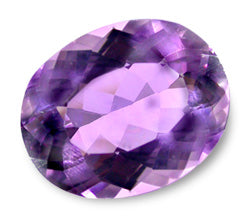 |
Amethyst:Amethyst is one of the most popular of all the quartz’s, ranging in colour from an almost colourless lilac to a rich velvety purple. We love the pale but vivid purple of the amethyst briolettes in these matching Drop Earrings and Flower Necklace. Facts, Myths & Legends: Amethyst is the birthstone of February. With its association with the Roman god of wine, Bacchus, amethyst has long been associated with drink and is believed to help prevent drunkenness. Worn while sleeping it supposedly has the effect of reducing anger and impatience. |
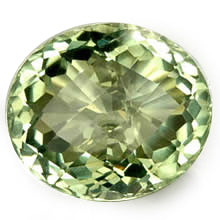 |
Green Quatz:Some quartz from certain areas change colour to green when heated under appropriate condition. The correct name is “prasiolite”, but they are more commonly known as green amethyst or green quartz. Found in Arizona, Brazil, California, and Zimbabwe, although most green quartz gemstones on the market are not naturally occurring. Facts, Myths & Legends: Crystal healers believe that green quartz helps with physical and emotional healing and brings properity to the wearer - well green is the colour of wealth after all!
|
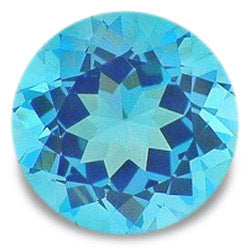 |
Blue Topaz:In recent years millions of carats of white topaz have been heat treated to turn blue and have found their way onto the world market. From pale aqua-like blue (Sky), through a rich electric blue (Swiss) to a deep metallic blue (London), these stones have found popularity with the jewellery buying public. Facts, Myths & Legends: Blue topaz is a stone for those of a creative nature, and is especially useful for writers. It is also supposed to aid alignment with one's higher self.
|
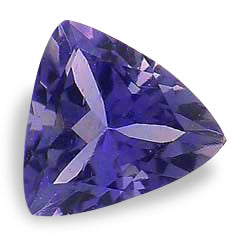 |
Iolite:Ioloite has a unique indigo colour. It is also known as the 'water sapphire' and gets its name from the latin word 'ios' meaning violet. Located in Shri Lanka, Madagascar, India, Brazil and the US, Iolite can sometimes be mistaken for sapphire or tanzanite. Facts, Myths & Legends: Iolite is believed to be a detoxifier for addictions and can apparently determine the direction of the sun on cloudy days, and is aptly nicknamed "Viking's Compass". Iolite is one of the main components used in catalytic converters - so your car is more glam than you thought! |
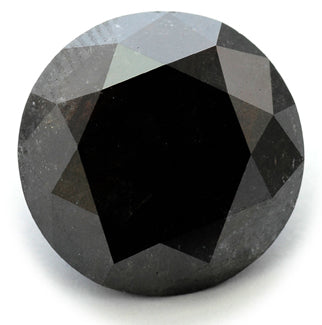 |
Black Diamond:Black diamonds have become increasingly popular in recent years due to their unique colour, low prices, and fashionable appearance. They are typically opaque and usually contain inclusions. Found in Africa and Brazil, natural fancy black diamonds are very rare and expensive, therefore most of the black diamonds are heat treated. Our famous Little Sparrow Ear Studs and Ring contain some dazzling deep black diamonds. Facts, Myths & Legends: In ancient Italy, black diamonds were said to represent harmony and compromise, touching one was meant to bring peace to an argument. |